
2026 Airline Fee Policies: What’s Real and What’s Marketing
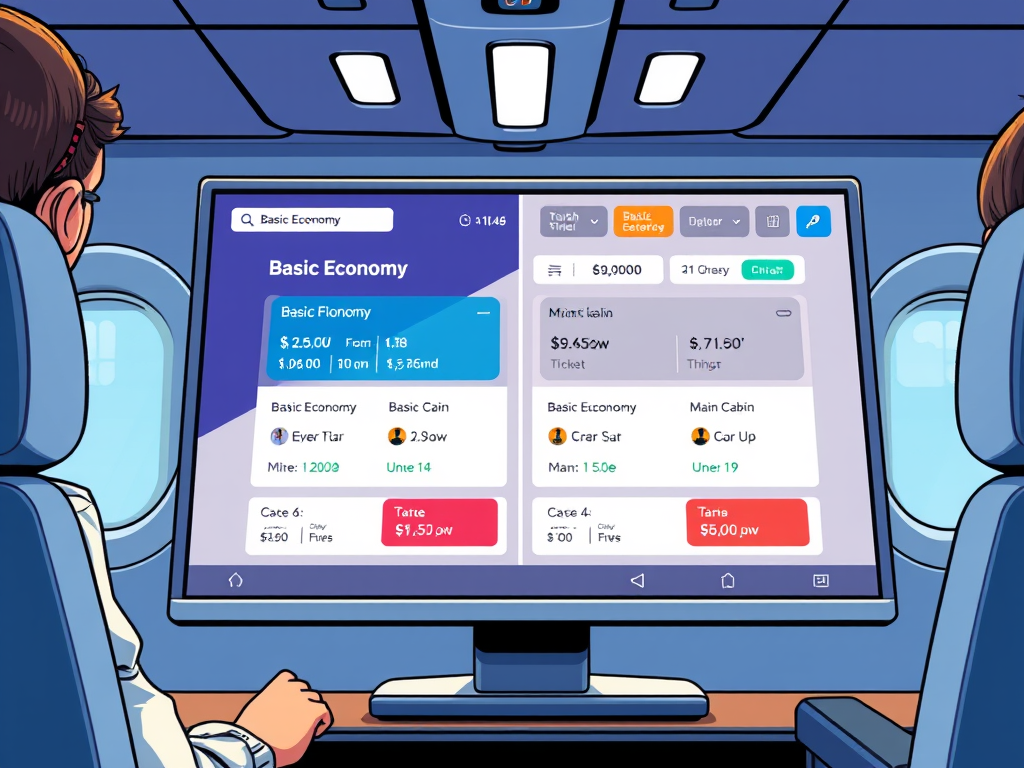
Many of us have not been flying as much due to hybrid or remote contracts. Its been over 6 months for me and this week while looking at flights, I found myself scratching my head on how the website was showing flight costs that were not what I am used to seeing. The little red X marks had me concerned about changes in cancellation fees and upgrade eligibility. After some digging, I knew some of us would have stories of being tricked.
All major U.S. airlines have had a policy in regards to no change or cancellation fees for standard economy tickets since Covid. Delta was one of the first to make this permanent, eliminating fees for Main Cabin and premium fares on flights originating in the U.S. American and United followed with nearly identical policies, and today all three allow free changes on most tickets. Southwest, for those who love this airline, has never charged change fees for any fare class.
But the real story sits beneath the surface. While Main Cabin flexibility has become the norm, Basic Economy remains a highly restricted product across all major airlines. Delta, American, and United all block changes and cancellations for these fares, and low‑cost carriers like Frontier and Spirit still charge fees that the big airlines have abandoned. This creates a two‑tiered experience: a flexible “consumer‑friendly” Main Cabin and a rigid, no‑changes‑allowed Basic Economy designed to look cheap but feel costly once the restrictions become clear.
That’s why airline websites almost always display Basic Economy as the default lowest fare. It’s not a glitch…it’s a revenue strategy. By leading with the cheapest number, airlines anchor the customer on price, then reveal the limitations only after you click on the lowest fare. Consumer advocates have criticized this as confusing or even “bait‑and‑switch,” especially in cases like American Airlines, which has been called out for making fare transparency harder to navigate. And while each airline handles the presentation differently, the pattern is consistent: Basic Economy is intentionally positioned to drive upsells to Main Cabin, where the no‑change‑fee promise actually applies.
In other words, the industry has embraced flexibility, but only for the fares they want you to buy. The headline policies sound generous, and in many ways they are, but the digital storefronts still steer travelers toward the most restrictive product first. Understanding that dynamic is the key to understanding modern airline pricing: the flexibility revolution is real, but the marketing strategy hasn’t changed at all
Most of you know I am a Delta loyalist, so I did some reading just to spell this out, and not favor Delta over other airlines…well, as best as I could. The bottom line that we all need to be aware of is it is deceptive across all airlines.
The pattern is industry wide, though some airlines are more aggressive than others.
- Delta, American, and United all prominently display Basic Economy as the lowest fare, even though it does not allow changes or cancellations.
- The restrictions are often only visible after clicking into the fare details.
- Analysts and consumer advocates have repeatedly criticized this practice as confusing, opaque, and intentionally designed to push upsells.
- Southwest is the only major U.S. airline that avoids this issue entirely because it does not offer Basic Economy.
Has anyone find themselves fooled and stuck with a ticket they can’t cancel or get upgraded? Share in the comments below.
Click on my image below for my Professional Profile

 consultant-tips.blog
Comments