
ChatGPT for Healthcare: What It Means for Consultants in our EHR World
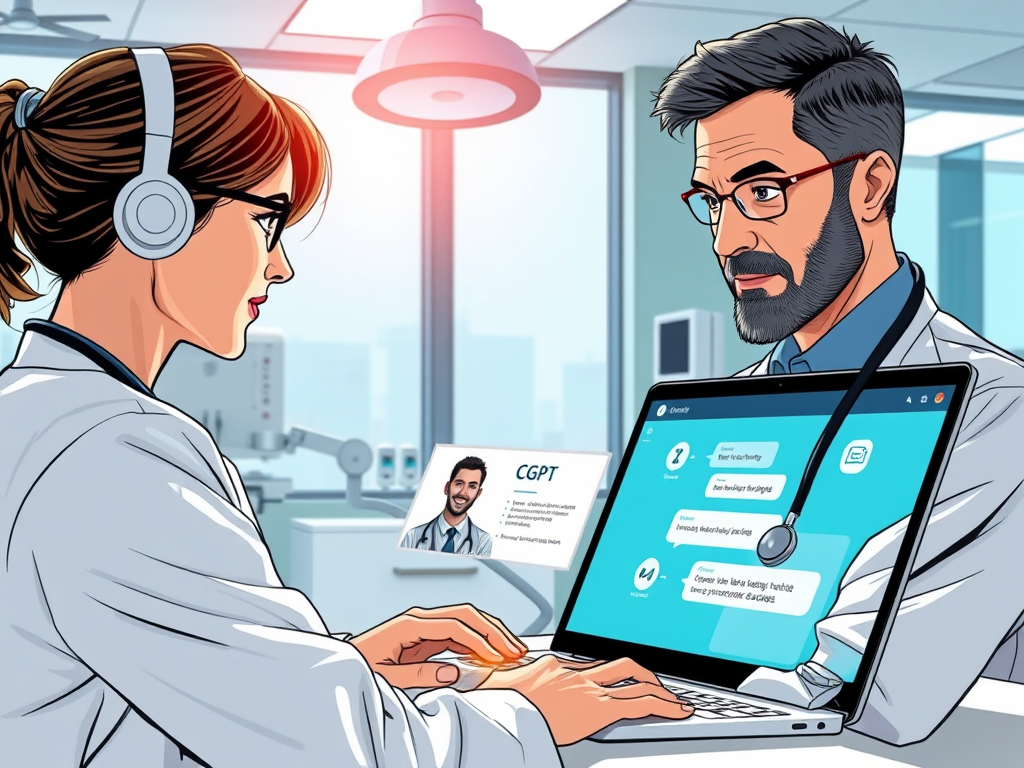
The introduction of ChatGPT for Healthcare marks yet another shift in how technology will support clinicians, analysts, and operational teams. Woke up to multiple articles and announcements today on this and dug right in to understand what this is and how it might impact workflows and operations. I also wanted to compare the capability with what Epic and Oracle are introducing. Thought I would share some of those findings and a couple of thoughts.
Firstly, unlike the consumer version of ChatGPT, this healthcare version is built with the privacy, security, and data‑handling expectations required in clinical environments. It’s designed to connect securely to medical records and other health data sources, allowing it to generate summaries, draft documentation, and support clinical reasoning. For those of us who have spent years helping organizations navigate EHR workflows, this represents a new layer of intelligence that sits above the system rather than within.
What makes ChatGPT for Healthcare different is its structure that runs on GPT‑5 models that have undergone physician-led testing and are designed to operate within HIPAA aligned environments. It separates health data from general ChatGPT interactions, uses enhanced encryption, and provides the kind of guardrails that health systems expect. In other words, it’s not a consumer chatbot repurposed for healthcare but rather a clinical tool that can safely interact with sensitive information while supporting the EHR workflows clinicians already know.
Where this gets interesting for us consultants is how it fits into existing EHR ecosystems. Epic and Oracle are already building their own AI assistants and ambient documentation tools, and those capabilities will continue to grow. But ChatGPT for Healthcare doesn’t compete with the EHR, it complements it. Both Epic and Oracle will always own the structured, workflow‑embedded intelligence inside the EHR. ChatGPT for Healthcare becomes the flexible layer around it: summarizing chart data before a visit, drafting patient instructions, helping analysts write SQL or reporting logic, generating prior authorization narratives, or supporting training and policy development. It’s the kind of tool that can reduce administrative burden without replacing the EHR as the system of record.
From a consultant’s perspective, this is where the opportunity lies. Every time a new technology like this enters the market, it expands the skill set required to support hospitals and health systems. I feel like this is a message I write about in almost every post as of late. As consultants, we need to understand how to integrate these tools and how to align them with governance and compliance structures, as well as look at redesigning workflows so clinicians can benefit without adding risk or complexity.
Would love to hear from anyone implementing this. Notice the list of hospitals already planning to install in the original press release.
Read the Announcement Here – Introducing OpenAI for Healthcare | OpenAI
Click on my image below for my Professional Profile

 consultant-tips.blog
Comments