Why Roadmaps Matter…and Why So Many Organizations Pretend They Don’t
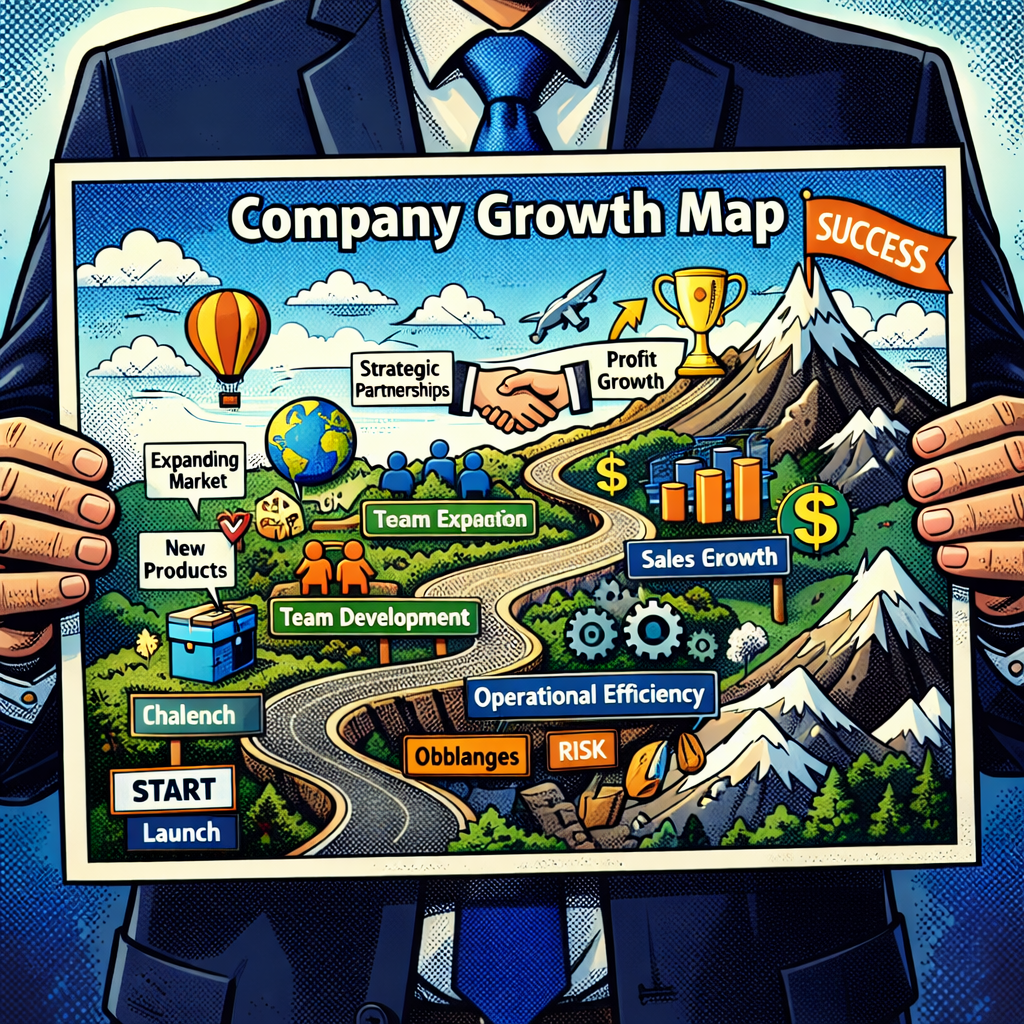
I can’t tell you the number of times I’ve been asked to create a roadmap for a company, a healthcare organization, or a startup. The funny thing about these requests is that everyone says they want one, but very few organizations actually understand what a roadmap is. They’ll nod enthusiastically, commission a glossy deck, and then promptly ignore every uncomfortable truth it reveals. Meanwhile, the people who actually have to run the programs, manage the technology, and deliver the outcomes know that a roadmap isn’t a pretty picture. It’s a path to success that keeps us focused on what’s important and how specific actions create the desired outcomes.
Any organization should recognize that a roadmap isn’t optional. It’s the difference between “we think we’re doing the right things” and “we can prove it, measure it, and scale it.” It forces clarity. It exposes gaps. It tells you what’s possible, what’s not, and what’s going to fall apart if you keep pretending that duct tape is a strategy. And yes, it also gives leadership something to point to when they want to say, “See? We’re being strategic.”
A real roadmap starts with the current state, which is usually the part everyone wants to skip because it involves acknowledging reality. This is often where the tool falls to the floor, as no one wants to take a look within and change. Looking in the mirror and seeing that workflows are inconsistent, and everyone has a different version of “how things work.” But without a brutally honest current state, everything will just stay the same, and oftentimes creates a speed bump to growth. I call it the finger-pointing game, which is so much easier than admitting change might be needed.
Then comes the SWOT, which is where the roadmap politely (or not so politely) points out that your strengths are real, your weaknesses are avoidable, your opportunities are exciting, and your threats are… well, usually self‑inflicted. It’s amazing how many organizations want transformation without ever admitting what’s holding them back.
Next is the RACI, the unsung hero of organizational sanity and one of my favorite exercises. If you’ve ever wondered why a project stalls, why decisions take forever, or why five people think they own the same task, the RACI will tell you. It’s the adult version of assigning seats on a school bus and is necessary if you want to avoid chaos. A firm I worked with always talked about staying in your lanes, but dismissed the notion of a RACI exercise and its value. Duplication of efforts creates chaos and confusion, while truly just costing the company money.
Of course, no roadmap is complete without short-term opportunities, the things you can actually deliver in the next 6–12 months. These are the confidence builders, the momentum creators, the “see, we can do this” moments. And then there’s long‑term planning, which is where you get to lay a path to the appropriate future plans asked by the company owners and/or executives. This is where the roadmap stops being a project plan and becomes a strategy.
Finally, all roadmaps need to include financials. I prefer to align financial growth with the overall expansion of services and solutions to be extended, creating a story of not just financial growth, but broader capabilities that will bring in new business and/or satisfy current customers. Consulting firms wanted to also see margin improvements here as well. I’m focusing more on program growth to meet the needs of healthcare facilities first; the rest will follow.
The real value of a roadmap isn’t the document. It’s the alignment, the clarity, the accountability, and the shared understanding it creates. Truly, without one, organizations drift. They chase shiny objects. They confuse activity with progress. They burn out their teams. They make decisions based on who speaks the loudest instead of what the data says. And they wonder why nothing ever seems to change.
And in a world where healthcare systems are juggling regulatory pressure, financial constraints, workforce challenges, and technology debt, a roadmap isn’t just helpful; it’s the only responsible way forward.
Click on my image below for my Professional Profile

 consultant-tips.blog
Comments