
I Blame McKinsey: How Title Lines Took Over Our PP Slides
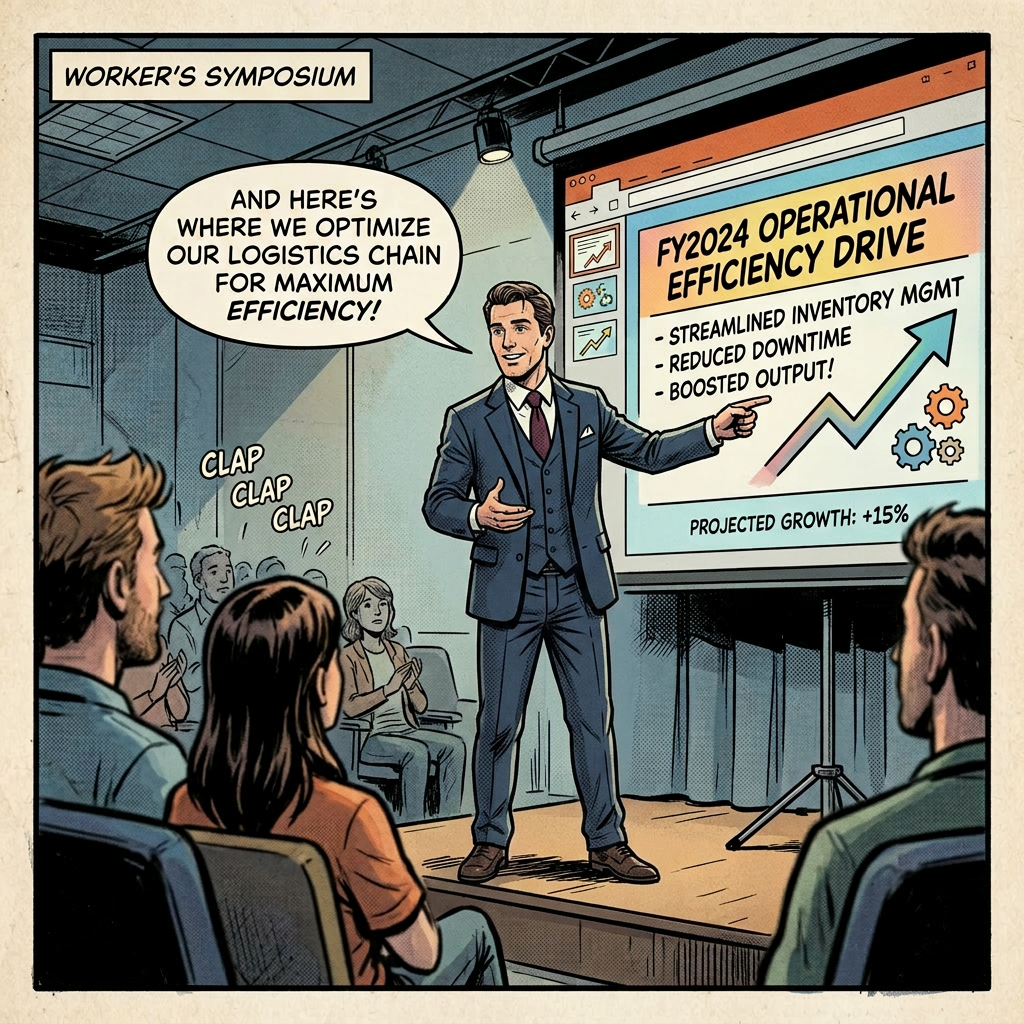
Different leaders like to see information in different ways. I’ve always designed decks to convey a message in a manner that aligns with my organization’s preference on how they want to see details laid out. I’m a big fan of using provided templates that include color schemes, font preferences, and various layouts for decks. Whether a consultant, or new to an organization, understanding style is part one. Part two gets a bit more complex when we introduce McKinsey.
I’ll start by pointing out that somewhere along the way, PowerPoint went from “please don’t put too much text on the slide” to “please put the entire argument, conclusion, and supporting evidence in the title line.” For years, the cardinal rule was simple: If your audience is reading, they’re not listening. Slides were visual cues, not novels. But then came the rise of the consulting complex new approach, where every slide became a self‑contained artifact. Something that had to survive being forwarded, printed, decontextualized, and weaponized in meetings you weren’t invited to. Thus, the McKinsey‑style title was born: a single sentence that tells the reader exactly what the slide means, even if they never hear the presenter utter a word.
The irony, of course, is that we now live in a world where PowerPoint is both overused and often rushed. We cram slides with content because we’re afraid someone will misinterpret the message if we don’t. We build decks that function as documents, and documents that masquerade as decks. And somewhere in the middle, the actual storytelling gets lost. The truth is that PowerPoint is a tool, not a strategy. It’s great for framing decisions, visualizing trade‑offs, and guiding a conversation. It’s terrible for nuance, narrative, or anything requiring more than a few seconds of cognitive processing. If you need paragraphs, context, or subtlety, that is what Word is for. A common error we all make.
So here’s my thinking: we should use PowerPoint when we are presenting. Use Word when just explaining. If the content needs to stand alone, send a document. If the content needs to persuade, use a deck. And if the content needs both, create a Word brief and a PowerPoint summary vs some kind of Frankenstein hybrid that tries to be everything to everyone. The McKinsey‑style title isn’t the enemy; it’s just a reminder that clarity wins. But clarity doesn’t require more text…it requires better thinking. And no slide, no matter how well‑formatted, can do that part for us. I am not a fan…but I’m acclimating.
Click on my image below for my Professional Profile



Comments