AI Terms Everyone Pretends to Know…But Should Actually Understand
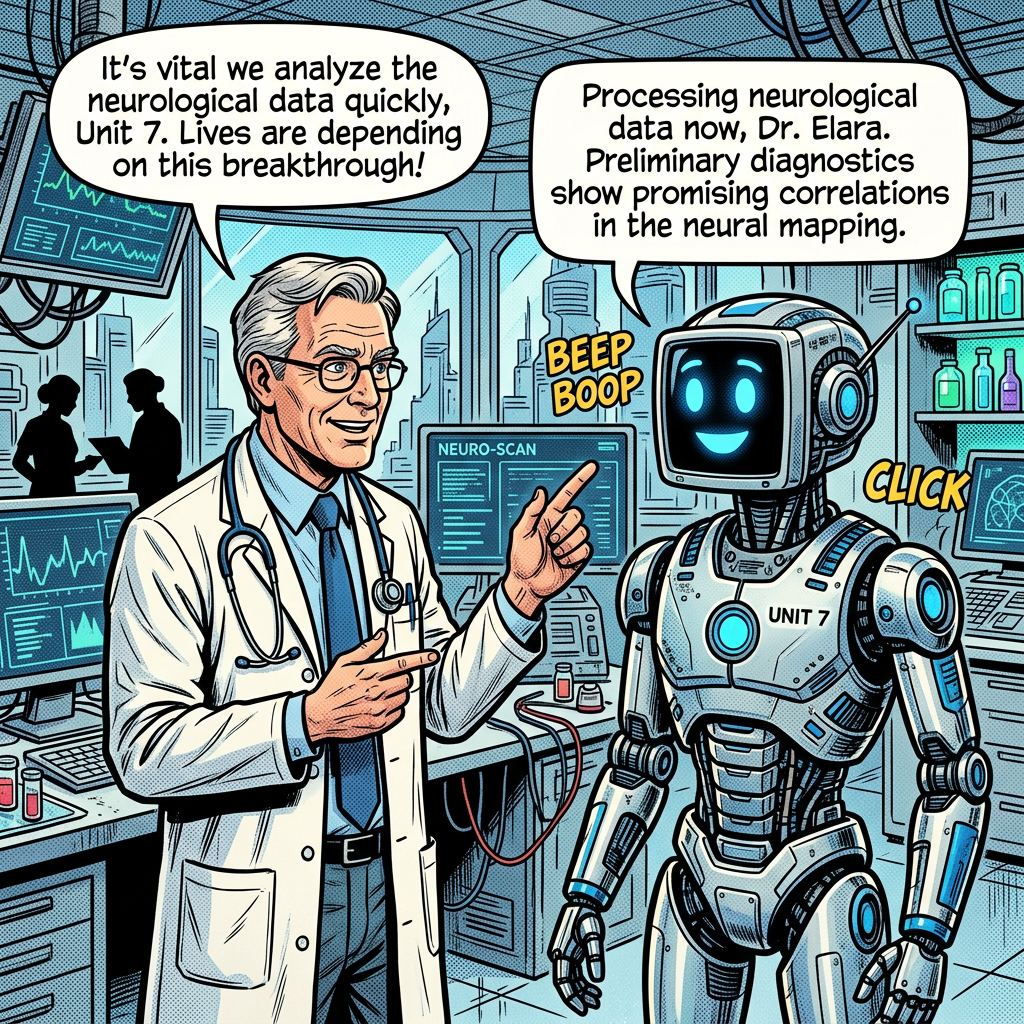
If you’ve sat through any IT planning meeting lately, you’ve probably heard someone casually drop the word ambientlike it’s been part of clinical vocabulary since the days of dot matrix printers. But it hasn’t, and many of these terms are new to us, so I thought it was worth a quick write-up.
“Ambient” simply means AI that listens in the background and captures conversations, extracts meaning, and drafts documentation without clinicians having to poke at a keyboard instead of actually seeing their patient. It’s the AI equivalent of a quiet scribe who never blinks, never interrupts, and is in the background behind a curtain. Makes me think of my annual derm appointments, which literally has a scribe to this day hiding.
Then there are predictive models, which sound futuristic but are essentially very fancy statistical guesses based on historical data. They’re the tools behind sepsis alerts, readmission risk scores, and those eerily accurate “this patient is about to crash” dashboards. Predictive models don’t see the future…they recognize patterns faster than any human could, especially on a Monday morning before coffee. They’re only as good as the data they’re trained on, which is why feeding them garbage produces… well, garbage with a confidence interval. A common concern I hear these days, especially from clinicians and nurses who do not yet fully trust the data.
Another worth mentioning is the mysterious world of foundation models and LLMs, which pull from massive libraries of text, clinical notes, guidelines, and structured data to generate responses, summaries, or recommendations. In healthcare, these models are becoming the connective tissue between systems, helping clinicians navigate oceans of information without drowning in it.
If you really want to sound like you’ve been reading the AI trade journals instead of just skimming LinkedIn, sprinkle in a few more essentials:agentic AI (systems that don’t just respond but take action), vector search(how machines find meaning instead of keywords), and RAG (Retrieval‑Augmented Generation), the secret sauce that keeps LLMs grounded in real clinical data. And don’t forget the classics: clinical copilots that sit alongside clinicians to reduce cognitive load, and the eternal battle between structuredand unstructureddata, otherwise known as “the reason every health system has trust issues with its own information.”
Let’s face it, this is just going to keep growing. I think knowing the language gives you a front‑row seat to the transformation happening across healthcare, and maybe even a fighting chance of better understanding its uses and potential for true performance improvements, clinical outcomes, and end-user satisfaction. I’m optimistic, while trying to stay educated at the same time. As AI becomes more embedded in workflows, knowing these terms isn’t optional; it’s the new literacy for anyone working in Healthcare IT.
Click on my image below for my Professional Profile



Comments